
No products in the cart.
The Gut-Brain Axis: Your Family’s Health Powerhouse
Ever experience that “butterflies” feeling in your stomach just before some big event? Or when jitters are causing your stomach to flip-flop? No coincidence; brain and stomach are engaged in an amazingly critical battle. Scientists call it the gut-brain connection, and it is one of the most effective (and critical) systems within the human body.
This connection goes so much further than stomach pangs for food or queasy stomach from time to time, it’s in your mood, immune system, sleep, and even how your children deal with stress. Your healthy gut, though the opposite, can be the solution to the overall health of your entire family.
Discovery of how the gut and brain relate to each other, and how to maintain that relationship purring along more effectively, may be the most beneficial thing you can do for your family’s emotional and physical well-being. Let’s sit down with one another and discuss easy, family-oriented methods of maintaining that wellness machine purring.
What Is the Gut-Brain Connection?
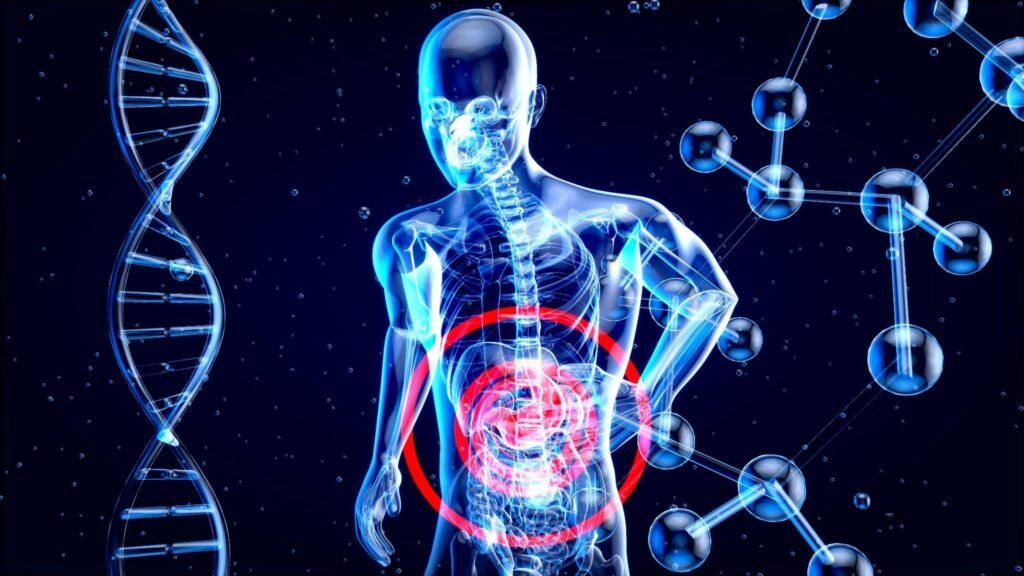
Think of your brain and your stomach as two chatty good friends who are always talking to each other, occasionally flippantly and occasionally begging. They discuss something that never ends, constantly chatting with each other through a system of nerves and chemical messengers that have an open line of communication between your stomach and your brain. The vagus nerve is the highway that links them together and sends information back and forth between them and controls the way you think, feel, and digest.
Your body contains a whole universe of small animals inside you known as the gut microbiome. It contains a staggering 100 trillion microbes and plays a sickeningly important part in your general body health, and more significantly, brain health and mood.
Next up is the incredible thing about this relationship:
● The CNS and the gut talk to each other bidirectionally in what’s referred to as the gut-brain axis.
● It affects brain function, stress, and emotional response.
● Your gut actually makes quite a few of the same neurotransmitters your brain makes, including serotonin and dopamine, the “feel-good” hormones which control mood and motivation.
Daily Habits That Support the Gut-Brain Connection
The gut-brain connection is not fads and jargon, it’s a passion for easy rituals every day that make your family feel great from head to toe. Whatever you do daily, what you eat, how you move, and the quality in which you sleep, will all have a gigantic impact on how great your body and brain are.
Balanced Nutrition
What you eat actually feeds your gut and, indirectly, your brain. When you’re in a good mood, your gut releases happy messages that can lift mood, concentration, and energy.
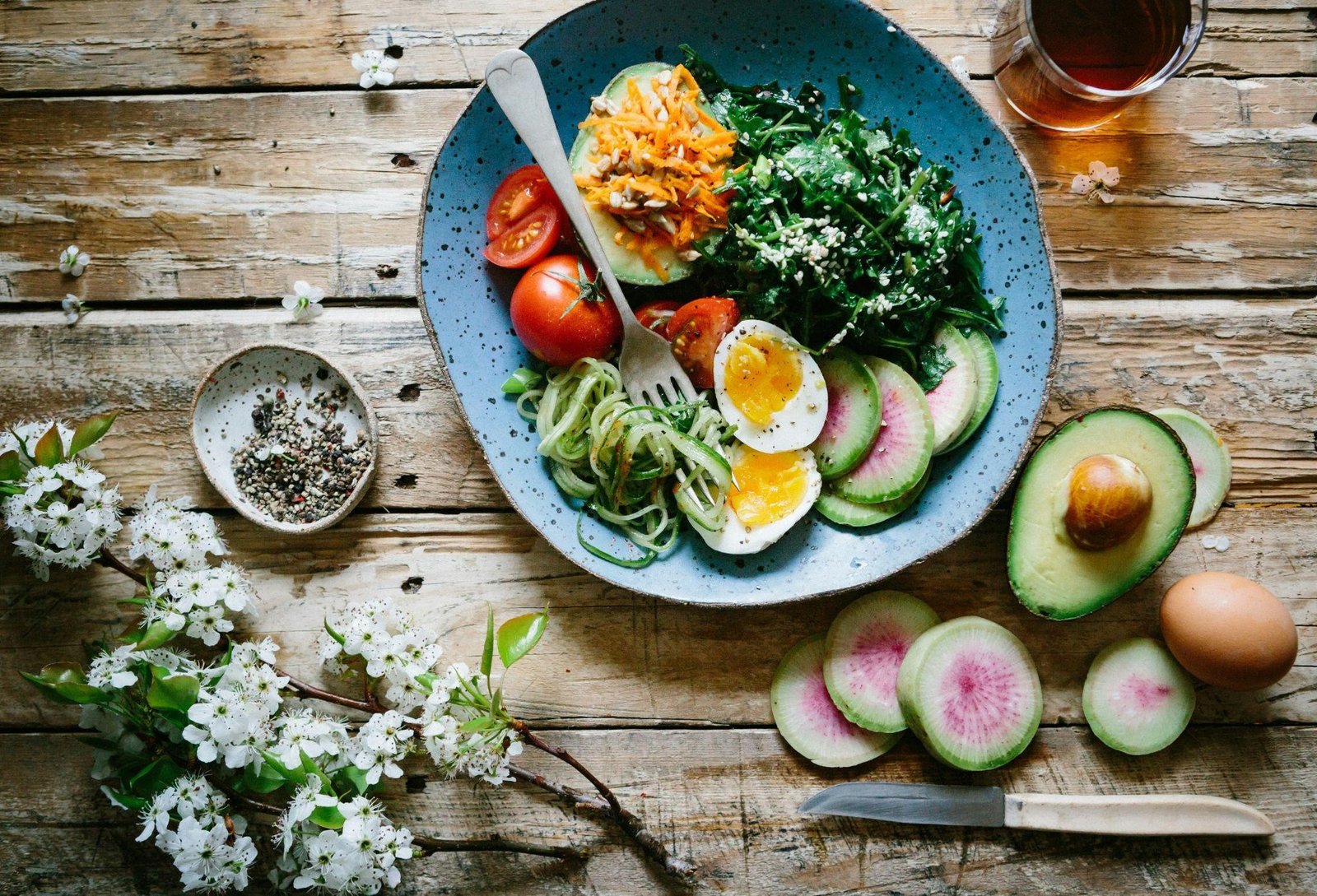
● Fiber up: Fresh fruits, brightly colored vegetables, beans, whole grains. Fiber is what your helpful gut bacteria like to snack on. When they’re content and full, they move easily through the body and energy levels, too.
● Add fermented foods: Yogurt, kefir, kimchi, and sauerkraut are filled with probiotic-friendly bacteria. These tiny warriors increase the inherent resistance of your gastrointestinal tract and your immune system. Use a spoonful of yogurt or kimchi as a snack in lieu of your side dish at lunch.
● Cut down on processed and sugary foods: Sugar and processed food may taste good at the time, but they fuel the “bad” bacteria within your digestive system. Over time, this can throw your balance out of whack. Choose whole, real foods when possible — your gut (and mood) will thank you.
Hydration
Your digestive system loves water. Water prepares your digestive system and helps your body digest nutrients. Slight dehydration will hamper digestion and leave you tired or bloated.
Make sure all the members of your household carry a water bottle with them wherever they go. Add a dash of lemon, cucumber, or a handful of fresh mint leaves to plain water if it tastes too boring.
Sleep and Stress Management
Your gut is picking up on your stress and responding. Chronic stress and poor sleep can disrupt the good bugs in the gut, influencing your mood, energy, and even immune system.
Some small changes can pay dividends:
● Develop relaxing bedtime rituals: Screens off an hour before bed, lights out, and something calming like reading or stretching.
● Get outside time: Weekend walks, family outings, or a morning shot of sunshine naturally relaxes you.
● Set bedtimes: Consistent bedtimes for children and adults synchronize your body’s internal clocks and your gut microbes adore routines.
Movement
Exercise is brain and gut magic. Exercise drives food through your digestive system, circulates the blood, and sends “happy” chemicals called endorphins to brighten your mood.
You don’t require a special exercise program get everyone moving together:
● Dancing in the kitchen to the radio.
● Evenings’ supper-time walks
● Weekends’ walks or enjoyable bike rides.
Ten minutes’ worth of exercise will begin to get your head and tum working together again. Don’t work too hard if it’s not lovely, just establish little routines which will have your family concentrated, relaxed, and buzzing.
Conclusion
At its simplest, the gut-brain axis is a question of equilibrium, not brains. It’s a question of providing your body with what it needs in order to feed your brain and providing your family that platform upon which they can be relaxed, focused, and alive. That every single step, whether a fiber snack, going around the block with the family circle, or sleeping an extra hour, adds to that amazing balance within increasingly.
If you are ready to transform and have no clue where to begin, do not worry, you are not alone. I get that too. I get the yearning for more, to feel more, to think more, and wake up alive once again. I’ve been there too: over-worked, over-stressed, and lost on how to break through beyond. But I get too how amazing it is to take that one small step forward towards feeling better again.
We will lead you through this process and return your energy, joy, and confidence. Call Patti Bostian today and, together, take small steps toward long-term wellness for you and your loved ones.